Tree inspections in Holborn
Professional tree care for homes, businesses, and managing agents in central London

If you need tree inspections in Holborn, you are likely looking for more than a quick glance at a tree’s leaves or shape. In a busy central London area like Holborn, tree safety, long-term tree health, and property responsibility all matter. Trees can add real value to courtyards, front gardens, terraces, communal spaces, and commercial sites, but they also need regular attention to make sure they are structurally sound, well maintained, and not creating avoidable risk.
A proper inspection helps identify signs of decay, deadwood, unstable branches, root issues, storm damage, or any developing concern that may affect people, buildings, pavements, vehicles, or neighbouring property. For residential customers, this could mean peace of mind before a purchase, after severe weather, or when a mature tree is close to a house. For commercial customers, landlords, and managing agents, it often means keeping on top of duty of care, reducing disruption, and planning tree work with confidence.
Holborn is a distinctive part of central London, with a mix of office buildings, period terraces, courtyard gardens, schools, hotels, institutional premises, and managed residential developments. That variety brings practical challenges. Access can be tight, parking is often limited, and trees may sit close to shared boundaries or busy pedestrian routes. A local team that understands these conditions can make the inspection process far smoother and more useful.
Why tree inspections matter in Holborn
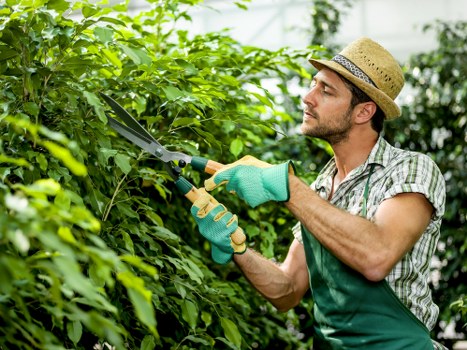
Tree inspections are not only about spotting obvious hazards. They are also about understanding the condition of a tree in context. A tree that looks healthy from a distance may still have a hidden defect at the base, dead branches high in the crown, or root stress caused by construction, compaction, or long-term disturbance. In Holborn, where space is often limited and trees sit close to buildings and public areas, those details matter.
Local property owners and managers use inspections for several reasons:
- to check whether a tree may present a safety concern
- to plan pruning, crown reduction, or other tree work more effectively
- to support decisions about retaining or replacing a tree
- to review trees following strong winds, drought, or sudden dieback
- to assess trees before property transactions, construction, or refurbishment
- to help manage trees in communal gardens, courtyards, and business premises
For anyone responsible for trees in Holborn, inspections can also help avoid unnecessary work. A tree is not always unsafe just because it has a few dead branches or looks uneven. A structured inspection helps separate normal seasonal changes from genuine issues that require action. That is especially helpful in an urban area where trees can be under pressure from heat, pollution, restricted rooting space, and historic hard landscaping.
What a tree inspection typically covers

A tree inspection should be practical, careful, and relevant to the site. It is not just a box-ticking exercise. The inspection process usually includes a visual assessment of the tree’s structure, canopy, trunk, root zone, and surroundings. The aim is to identify defects, estimate risk, and determine whether immediate action, routine maintenance, or periodic monitoring is the most appropriate next step.
Typical inspection points include:
- overall species condition and vitality
- dead, damaged, or overextended branches
- signs of disease, decay, or fungal fruiting bodies
- split unions, cavities, or cracks in the trunk or limbs
- root instability, soil movement, or heave
- recent storm damage or long-term structural weakness
- proximity to buildings, roads, paths, and services
- possible conflicts with overhead lines, fencing, roofs, or glazing
In some cases, the inspection may highlight the need for a more detailed assessment, especially if a tree has visible defects or is growing in a particularly sensitive location. That may involve looking more closely at the tree’s structure, decay extent, or movement in the root plate. The goal is always to make sensible recommendations based on what is actually found on site.
For customers in Holborn, this can be particularly useful where mature trees stand beside offices, residential blocks, mews-style properties, schools, or shared access routes. The more constrained the site, the more important it is to understand the real condition of the tree rather than relying on guesswork.
Who needs tree inspections in Holborn?
Tree inspections in Holborn are relevant to a wide range of customers. Some people only need an inspection after noticing a possible issue, while others arrange routine checks as part of ongoing property management. Either way, the service is valuable whenever a tree could affect safety, access, or long-term maintenance planning.
Common customers include:
- homeowners with front or rear garden trees
- flat owners and residents in shared gardens or courtyards
- landlords responsible for rental properties
- managing agents looking after blocks and mixed-use buildings
- commercial property owners and facilities teams
- schools, colleges, and educational premises
- hospitality venues, hotels, and restaurants with planted outdoor areas
- developers and contractors needing pre-works assessments
In central London, trees often belong to more than one interested party. A communal courtyard tree might affect several flats. A boundary tree may be shared with an adjoining owner. A commercial frontage tree may interact with public pavement use and customer access. A clear inspection helps everyone understand the condition of the tree and the practical options available.
If you are unsure whether an inspection is needed, a simple rule helps: if the tree is large, close to anything valuable, visibly changing, or causing concern after weather or nearby works, it is worth getting it checked. Early attention is usually easier and less disruptive than waiting for a problem to grow.
Local conditions that affect trees in Holborn

Holborn has a distinctive urban environment, and that influences how trees grow and how they should be inspected. Trees in central London rarely enjoy the same open rooting space found in suburban or rural settings. They may be surrounded by paving, basement structures, underground services, traffic vibrations, reflected heat, and compacted ground. All of these factors can influence tree health and stability over time.
Some of the local conditions that matter include:
- tight planting pits and restricted root zones
- historic buildings with close tree-to-structure relationships
- courtyards and internal gardens with limited access for vehicles
- high footfall near shopfronts, offices, and public routes
- wind funnels created by streets and building lines
- construction activity from refurbishments or nearby development
- summer heat and water stress in paved environments
Because of these conditions, a tree may respond differently in Holborn than it would elsewhere. For example, a tree under long-term stress may shed deadwood more readily, produce weaker growth, or become more prone to root instability after excavation or soil changes. A well-timed inspection helps catch these issues before they become harder to manage.
Local knowledge also matters when access is restricted. In many Holborn streets, parking and loading can be challenging, and equipment may need to be carried through a building, courtyard, or shared entrance. A local tree inspection service can plan around these realities and avoid unnecessary disruption to residents, staff, or visitors.
How the inspection process works

The inspection process should be straightforward for the customer and thorough on site. It usually begins with understanding why the inspection is needed. That could be a visible defect, a routine check, a pre-purchase concern, storm aftermath, or a requirement linked to ongoing property management. From there, the inspector looks at the tree in its setting and evaluates what is present, what is changing, and what action, if any, is needed.
A typical process may include:
- an initial discussion of the concern or inspection purpose
- a site visit to assess the tree from ground level
- review of the tree’s form, defects, and growing conditions
- consideration of any targets such as buildings, paths, or parking areas
- practical recommendations based on findings
- advice on whether work is urgent, routine, or simply monitorable
In many cases, the outcome is reassurance that the tree can remain with sensible management. In other cases, the inspection may recommend pruning, deadwood removal, further investigation, or work to reduce risk. Either way, the value lies in having informed advice rather than relying on assumptions.
What customers usually appreciate most is that the process helps them make decisions with confidence. Whether you are a homeowner, agent, or business owner, it is easier to plan tree work when you know what actually needs attention and why.
What is included in a professional tree inspection
Customers often want to know exactly what they are paying for when arranging tree inspections in Holborn. While every site is different, a professional service should provide a careful assessment and clear, practical communication. The inspection is there to help you understand the tree, the risk level, and the next steps.
Common inclusions are:
- visual assessment of the tree and surrounding area
- identification of obvious defects or stress indicators
- consideration of target areas and site use
- recommendations for pruning, monitoring, or further action
- advice on whether urgent measures are needed
- supporting notes suitable for property management records where required
Depending on the circumstances, the inspection may also highlight whether a tree is affected by previous poor pruning, construction disturbance, girdling roots, poor drainage, or growing conditions that limit long-term vitality. In central London, these issues are not unusual, especially where older properties have had repeated alterations over time.
Good tree care is not only about removal or reduction. Often, it is about knowing when a tree can be retained safely with sensible management. That is especially important in Holborn, where established trees can contribute character, privacy, shade, and environmental value in tightly built surroundings.
Benefits of arranging tree inspections locally
Using a local service for tree inspections in Holborn has practical advantages. A team that regularly works in the area is more likely to understand the access issues, the pace of local streets, and the typical tree settings found across the neighbourhood. That can make the inspection smoother, quicker to organise, and more relevant to your site.
Key benefits of a local approach include:
- better understanding of central London access constraints
- familiarity with mixed-use, residential, and commercial properties
- more realistic advice for trees in constrained urban settings
- easier coordination around busy building entrances and shared spaces
- practical planning for follow-on tree work if needed
- clearer communication with managing agents, tenants, or neighbours
Another benefit is responsiveness. Trees can change quickly after wind, drought, or construction activity. If a concern arises, having a local team makes it easier to arrange an inspection without delay. That can be especially important where public safety, tenant access, or business continuity could be affected.
For many customers, the real value is peace of mind. Knowing that a qualified eye has looked at the tree and explained the situation clearly can remove a lot of uncertainty.
Preparation checklist before your inspection
There is usually very little you need to do before a tree inspection, but a small amount of preparation can help the visit run efficiently. This is particularly useful in Holborn, where access may be through reception areas, side passages, shared courtyards, or controlled entry points.
Helpful preparation steps:
- note any recent changes such as storm damage, leaf loss, or branch failure
- make a record of where the concern is located on the tree
- clear access to gates, side paths, or communal entrances where possible
- inform neighbours, residents, or site staff if the tree is in a shared area
- mention any nearby works, excavations, or landscaping changes
- have any previous tree reports or maintenance notes available if relevant
If the tree is on a business site, it can also help to advise reception or site management about the expected visit so access is not delayed. In busy areas of Holborn, that kind of coordination is often what turns a complicated visit into a simple one.
There is no need to trim branches or climb the tree yourself. In fact, avoiding self-help fixes is usually best, because the inspection should reflect the tree’s actual condition before any action is taken. Leave the assessment to the professionals and focus on giving them clear site information.
Pricing factors for tree inspections in Holborn
Customers often ask what affects the cost of tree inspections. It is sensible to want clarity before booking. While exact prices are not fixed in a meaningful way without seeing the site, several factors usually influence how much time and detail the inspection requires.
Common pricing factors include:
- the number of trees to be inspected
- the size, age, and condition of each tree
- whether the site is residential, commercial, or communal
- access difficulty, including gated or internal courtyards
- the need for a basic visual assessment or more detailed evaluation
- the level of reporting or written documentation required
- whether follow-up visits or repeat monitoring are needed
In Holborn, access can have a real impact on the overall job. A single tree in a narrow courtyard may take longer to assess than a row of trees on an open site, simply because of how the location is arranged. Likewise, a site with multiple stakeholders may require more careful communication and record-keeping.
Requesting a quote is the easiest way to understand the likely cost for your circumstances. A good provider will consider the specifics of your tree, property type, and access conditions rather than offering a one-size-fits-all answer.
When to book a tree inspection
Some tree issues are obvious, while others develop slowly. If you are unsure whether now is the right time to book, consider whether any of the following apply. These are common reasons people arrange tree inspections in Holborn and nearby central London locations such as Bloomsbury, Covent Garden, Gray’s Inn, Clerkenwell, and the West End fringe.
Book an inspection if you notice:
- cracked limbs, hanging branches, or sudden deadwood
- fungal growth, cavities, or decay at the base or on stems
- leaning, lifting roots, or disturbed soil around the tree
- reduced leaf cover, dieback, or poor seasonal growth
- branching that is too close to buildings, lights, or pedestrian routes
- damage after storms, construction, or landscaping changes
- concerns raised by residents, staff, contractors, or neighbours
Even if nothing looks urgent, routine checks can still be worthwhile. Mature trees and trees in sensitive settings benefit from being monitored over time. This can help you plan maintenance sensibly and avoid last-minute decisions.
If you are responsible for a tree and something has changed, do not wait too long. A prompt inspection can make all the difference between a straightforward maintenance recommendation and a more disruptive intervention later on.
Common tree issues found in urban central London settings
Tree inspections in Holborn often reveal issues that are typical of central London environments. These are not always dramatic defects. More often, they are gradual changes caused by urban conditions, age, and repeated pressure from surrounding development. Understanding these issues helps property owners respond in the right way.
Frequently encountered issues include:
- deadwood caused by limited light, drought, or age
- root restrictions from paving, basements, or hard surfacing
- crown imbalance after past pruning or building works
- branch conflicts with windows, roofs, or walkways
- lower vitality from compacted soil and limited water availability
- signs of decay in older trees that have been previously stressed
None of these issues automatically means a tree must be removed. In many cases, trees can be retained with targeted work, monitoring, or adjusted maintenance. The inspection is valuable because it gives a proper basis for that decision.
Where there is uncertainty, a cautious and informed approach is best. Trees can be an important feature of Holborn’s built environment, so the aim is usually to keep them wherever it is safe and practical to do so.
Residential tree inspections for Holborn homes and flats
Homeowners and flat residents often request inspections when a tree seems to be changing, casting too much shade, dropping deadwood, or standing too close to the property. In Holborn, many residential settings are compact, with limited gardens or shared outdoor areas. That makes tree condition and placement especially important.
Residential inspections are often arranged for:
- front garden trees close to the house or pavement
- rear courtyard trees with restricted growing space
- shared trees in communal gardens
- trees close to boundary walls, extensions, or roofs
- storm-damaged trees after strong winds
- trees affecting light, privacy, or access
For flat owners and residents, it is often helpful to know whether the issue requires immediate action or simply careful monitoring. That can be especially important where responsibility is shared and decisions need to be discussed with neighbours, landlords, or managing agents.
A clear inspection report can make those conversations much easier. It gives everyone a common understanding of the tree’s condition and the practical options available.
Commercial and managed property inspections
Holborn has many commercial premises and managed buildings, so tree inspections frequently form part of broader property upkeep. Businesses want their sites to remain safe, presentable, and easy to access. Managing agents need reliable information to help them schedule work and keep records up to date. A tree inspection supports both aims.
This is especially useful for:
- office courtyards and entrance planting
- mixed-use developments with trees near public routes
- hotels, venues, and hospitality terraces
- schools and institutions with managed grounds
- landlords and agents overseeing regular maintenance
Commercial sites often have more stakeholders than private homes. That means the inspection needs to be clear, practical, and easy to act on. The findings should help you decide whether tree work is needed now, later, or only after further monitoring. That clarity saves time and helps prevent avoidable disruption to staff, visitors, and tenants.
For property managers, routine inspections are often part of a sensible maintenance cycle. They allow issues to be addressed before they become complaints, hazards, or urgent call-outs.
Areas covered near Holborn
If you are looking for tree inspections in Holborn, it is often helpful to work with a team that also serves nearby central London areas. Trees, access constraints, and property types can be very similar across neighbouring districts, and that broader local experience can be useful when planning work.
Nearby areas commonly covered include:
- Bloomsbury
- Covent Garden
- Gray’s Inn
- Clerkenwell
- Farringdon
- St Giles
- Temple
- Westminster fringe locations
That wider coverage is valuable because many central London jobs are linked by the same kinds of practical challenges: restricted parking, controlled access, shared boundaries, and the need to minimise disruption. A local tree team can usually plan these jobs with that reality in mind.
Whether your tree is in a private courtyard, a commercial frontage, or a shared landscaped space, the aim is to offer a clear inspection that fits the site rather than a generic approach.
Frequently asked questions
Do I need a tree inspection if the tree looks healthy?
Yes, if the tree is mature, close to a building, or in a high-traffic area, an inspection can still be worthwhile. Some defects are not obvious from a distance. A healthy appearance does not always confirm structural soundness.
How often should trees be inspected?
That depends on the tree, its condition, and its setting. Some trees only need periodic checks, while others in sensitive locations may need more regular monitoring. A professional can advise on a sensible inspection interval based on what is found.
What happens if a defect is found?
If a problem is identified, the next step may be pruning, deadwood removal, monitoring, or further assessment. In some cases, more detailed investigation is needed before any work is recommended. The purpose of the inspection is to establish the right response, not to assume the worst.
Can you inspect trees in confined spaces?
Yes. Many Holborn trees are in courtyards, rear gardens, and restricted access areas. A local team used to central London can work around these limitations and still provide a useful assessment.
Will the inspection disrupt residents or staff?
It should be minimally disruptive. Most inspections are carried out from ground level and do not require heavy equipment. Good planning helps keep inconvenience to a minimum, especially in shared or busy properties.
Can an inspection help before building work?
Absolutely. If you are planning refurbishment, excavation, or structural changes, a tree inspection can help identify risks to roots, branches, or nearby structures. This is particularly useful where trees are close to the work area.
How do I arrange tree inspections in Holborn?
Simply contact us to discuss your site, the number of trees involved, and the reason for the inspection. From there, you can request a free quote and book a suitable appointment.
Why choose a local Holborn tree service
Choosing a local company for tree inspections in Holborn gives you a service that is practical, responsive, and better suited to the realities of central London. Trees in this area are often shaped by restricted space, historic surroundings, and varied ownership arrangements. A local team is more likely to recognise those factors quickly and advise accordingly.
When selecting a service, look for:
- clear explanations of what the inspection will cover
- experience with residential and commercial properties
- understanding of access and parking limitations
- practical recommendations based on site conditions
- good communication with owners, tenants, and managing agents
- a sensible approach that balances safety and tree retention where possible
That combination matters because tree decisions are rarely black and white. A good inspection helps you understand not only whether there is a problem, but also what kind of problem it is, how urgent it is, and what options you have.
Contact us today to request a free quote or book your service now. If you need clear, local, and practical tree inspections in Holborn, we are ready to help.