Crown thinning in Holborn: professional tree care for safer, lighter, healthier canopies
If you are looking for crown thinning in Holborn, you are probably dealing with a tree that feels too dense, blocks natural light, sheds too much in wind, or simply needs tidier, more balanced growth. In a built-up part of central London, the right tree work has to do more than improve appearance. It needs to respect neighbours, protect property, keep pathways and roads clear, and support the long-term health of the tree itself.
Holborn has a very particular mix of buildings and spaces: period residential blocks, mansion flats, office courtyards, school grounds, communal gardens, private squares, roof terraces, and commercial properties squeezed into tight urban plots. Trees in these settings often grow under pressure from limited root space, reflected heat, nearby structures, and reduced airflow. A properly planned crown thinning service can make a significant difference. It can reduce wind resistance, let more daylight reach windows and gardens, and improve the overall structure of the canopy without stripping the tree of its character.
Our approach to crown thinning for Holborn properties is built around practical outcomes. We aim to remove selected inner branches and minor competing growth while keeping the tree’s natural shape intact. That means a lighter canopy, better air movement through the crown, and a healthier balance between the tree’s size and its surroundings. For many local customers, it is the ideal option when a tree is not necessarily too tall, but is simply too dense for the location.
Why crown thinning matters in Holborn

Holborn is one of those areas where mature trees can bring real value, but they can also create everyday challenges when they become too crowded or heavy. Streets and courtyards in the area often have limited access, nearby pedestrians, parked vehicles, and surrounding buildings that make tree care more demanding than in open suburban settings. Crown thinning is a targeted way to manage that balance.
Unlike a harsh reduction, crown thinning does not focus on drastically shortening the tree. Instead, it carefully removes selected branches throughout the crown to reduce density. The aim is to allow more light, more air, and less wind drag while preserving the tree’s natural form. This can be especially useful where windows face a garden tree, where a courtyard feels dark, or where branches are brushing close to façades and upper-level openings.
For local households, landlords, managing agents, schools, and businesses, the benefits can be immediate. A less congested crown often improves visibility, reduces the amount of debris caught in branches, and helps the tree cope better with seasonal weather. It can also reduce the chance of minor rubbing or contact with buildings and nearby planting. In Holborn, where outside space is often limited and highly valued, that extra bit of light and breathing room can make a noticeable difference.
What crown thinning is and what it is not
Crown thinning is sometimes confused with other types of tree pruning, but the difference matters. It is not the same as topping, lopping, or cutting a tree back to a severe extent. It also is not meant to create a bare or overly sculpted outline. A good thinning job is subtle and selective, with the tree still looking like a tree when the work is finished.
In practice, this means removing a proportion of smaller internal branches, crossing shoots, and congested growth to let the crown breathe. The outer shape remains largely the same, but the canopy becomes more open. That opening allows wind to pass through more easily, which can help reduce pressure on the structure during storms. It also helps the tree distribute light more evenly through the remaining foliage.
For customers in Holborn, the distinction is important because many trees sit in visible, high-use locations. You want work that looks neat, behaves predictably, and respects the setting. Crown thinning is often preferred where the goal is improvement rather than dramatic alteration.
Who benefits from crown thinning in Holborn?

Many different property types in Holborn can benefit from this service. Residential customers may want more daylight in ground-floor rooms, a brighter courtyard, or less leaf litter from a dense garden tree. Commercial clients may need to keep an entrance area tidy, reduce shade around windows, or make sure trees near loading bays and walkways remain manageable. Managing agents and freeholders often look for an approach that is visually neat and considerate to multiple occupants.
Because Holborn has such a mix of older and newer buildings, trees often sit close to walls, railings, glass, rooflines, and service areas. In these conditions, tree crown thinning can help maintain a safer, more practical relationship between the tree and the property. It is also useful where a tree is healthy but simply too compact, preventing light from reaching shared gardens or internal courtyards.
Some of the most common situations include:
- Trees blocking light to flats or office interiors
- Dense canopies creating stale air or heavy shade
- Branches catching wind in exposed urban pockets
- Canopies rubbing against neighbouring structures
- Trees in communal spaces needing a lighter, more welcoming appearance
A local service that understands central London conditions
Working in Holborn means understanding the realities of central London access. Narrow streets, controlled parking zones, delivery restrictions, and limited storage space all affect how a tree job is planned and carried out. A local team used to these conditions can arrive prepared with the right equipment, the right access plan, and the right expectations about how to work safely and efficiently.
That local knowledge matters because tree care is not only about cutting branches. It is also about protecting the surrounding setting, keeping disruption low, and completing the work with as little impact on neighbours and passers-by as possible. On busier roads and in shared spaces, the way the job is managed can be just as important as the pruning itself.
Book your service now if you want a team that understands how to work in a busy, space-limited urban area and can tailor the crown thinning to your property’s needs.
How crown thinning is carried out

The process starts with a proper assessment. Every tree is different, and the right thinning approach depends on species, age, overall condition, previous pruning history, and what the tree is doing in its surroundings. A well-shaped mature plane tree in a square will not be treated the same way as a smaller ornamental tree beside a townhouse garden wall. The aim is always to improve the tree without causing unnecessary stress.
After checking the canopy, lower branches, visible defects, and the impact of the tree on the site, selected growth is removed from within the crown. The work is generally concentrated on smaller branches and those that contribute to excessive crowding. Care is taken not to over-thin one area or leave the tree looking patchy. The final result should feel balanced and natural.
Customers often appreciate that this process is both practical and subtle. It can improve the use of outdoor space without making the tree look severely altered. For trees beside residential windows, hotel courtyards, or office seating areas, that light-touch finish is often exactly what is needed.
What is usually included in the service
A typical crown thinning visit in Holborn may include the following:
- Initial inspection of the tree and surrounding area
- Selective removal of interior branches to reduce crown density
- Reduction of rubbing, crossing, or poorly positioned shoots
- Attention to balance and natural shape
- Careful management of debris and arisings from the site
- Consideration for access, neighbours, and nearby property features
- Advice on whether future tree maintenance may be sensible
In some cases, a thinning visit may be combined with other tree care, such as light deadwood removal or a small amount of canopy shaping, depending on what the tree and the location require. The key point is that the work should suit the tree, not force the tree into an unnatural outline.
Why a careful method matters
Over-thinning can leave a tree exposed, weaken its visual appearance, and create an uneven response in new growth. Under-thinning, on the other hand, may fail to solve the original problem. That is why a measured approach is so important. The best results usually come from making targeted cuts that improve the structure without overreacting to the tree’s size or density.
In a place like Holborn, where trees are often seen from street level, upper floors, and shared spaces, the finish needs to look professional from every angle. A properly thinned crown should sit comfortably in the landscape and continue to provide the benefits people value: shade where it is wanted, daylight where it is needed, and a healthier relationship with the built environment.
Benefits of crown thinning for homes and businesses
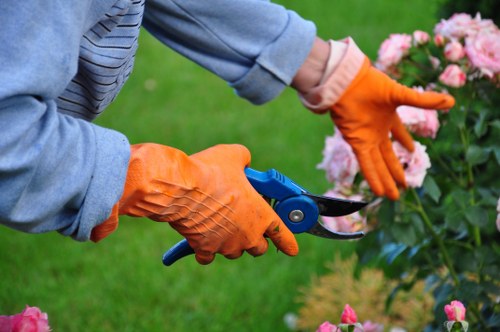
One of the main reasons people enquire about crown thinning in Holborn is light. Dense canopies can make internal spaces feel darker than they need to be, especially in streets where buildings are already close together. A lighter canopy can improve natural light levels without removing the tree altogether. That matters for flats, office suites, reception areas, and communal spaces where even a modest improvement in daylight is welcome.
Another major benefit is airflow. Trees with congested crowns often trap still air and create heavy shade beneath. Thinning the crown helps air move through the branches, which can contribute to a fresher feel around patios, courtyards, and garden spaces. In windy conditions, a less compact canopy may also place less stress on the tree’s structure, which is especially relevant in exposed pockets or along wider streets.
Crown thinning can also improve safety and usability. Branches that are too dense can catch in each other, rub against surrounding structures, or drop smaller debris more readily in windy weather. By opening the crown in a controlled way, these issues can often be reduced. The overall effect is a tree that looks healthier, works better in its setting, and is easier to live or work beside.
Practical benefits at a glance
- More daylight for rooms, gardens, and shared outdoor areas
- Better airflow through the canopy and around the property
- Reduced wind resistance in dense crowns
- A tidier, more balanced visual appearance
- Less crowding where branches have become congested
- Improved suitability for tight urban plots and courtyard planting
For many customers, those benefits are what turn a troublesome tree into an asset again. The tree remains part of the property, but it becomes easier to enjoy and manage.
Request a free quote if you want to see how a tailored thinning plan could improve your tree and your space.
What to expect on the day

When you arrange crown thinning, you want the work to feel organised and straightforward. On the day, the team should arrive ready to assess the site, identify any access issues, and carry out the work with minimal disruption. In Holborn, that might mean planning around pedestrian flow, building access, shared entrances, limited parking, and the need to keep communal areas clear.
Good preparation helps the job run smoothly. If the tree is in a courtyard or enclosed garden, access may need to be arranged in advance. If the tree is close to a frontage, neighbours or building users may need to be given notice. A professional team should be able to advise on what is likely to be needed and what can be handled during the visit.
Once the thinning is complete, the area should be left tidy and usable. That may include gathering branches, clearing smaller cut material, and making sure pathways or access points are not left obstructed. For many local customers, the quality of the finish on the ground is just as important as the look of the tree above it.
Preparation checklist for customers
Before your appointment, it helps to consider the following:
- Make sure access to the tree is available
- Move fragile outdoor items away from the work area if practical
- Tell neighbours or building users if the tree is in a shared space
- Check whether any parking or loading restrictions could affect access
- Highlight any known issues, such as nesting concerns, previous pruning, or nearby services
- Decide what outcomes matter most: more light, more clearance, better shape, or reduced density
Sharing this information in advance can save time and helps ensure the work is carried out in the right way for your property.
Residential, commercial, and communal settings
Residential customers in Holborn often want better light, less overhang, and improved privacy balance. Commercial customers may focus on access routes, presentation, and keeping outdoor areas welcoming for staff and visitors. Managing agents and freeholders often need a solution that works for multiple people at once, especially where a tree affects several windows, a shared garden, or a courtyard used by different occupiers.
No matter the setting, the service should be shaped around the property and the people using it. That is what makes local tree care genuinely useful rather than simply decorative.
Pricing factors for crown thinning in Holborn
It is natural to want to understand what influences the cost of crown thinning before you go ahead. While exact pricing depends on the tree and the site, several practical factors usually affect the quote. These include the size and height of the tree, the thickness of the canopy, how much access is available, whether equipment needs to be carried through a building or courtyard, and how much waste will need to be removed.
In Holborn, access can play a bigger role than many people expect. A straightforward front-garden tree with open access is very different from a tree in a shared rear courtyard or on a busy street with limited stopping space. Some sites take longer simply because the team has to work more carefully around residents, staff, or the public. That is normal, and it is part of responsible urban tree care.
The tree species can also matter. Some species respond better to thinning than others, and some grow in ways that create more dense inner branching. The current condition of the tree is important too. A tree that has been maintained regularly may be easier to thin evenly than one that has been left untouched for several seasons.
Typical factors that may influence a quote
- Tree height and spread
- Canopy density and branch size
- Access to the site and working space around the tree
- Waste volume and removal requirements
- Location within a courtyard, garden, street frontage, or commercial plot
- Time needed to work safely around people and property
- Whether additional tree work is needed at the same time
Because each site is different, the most useful next step is usually a site-specific assessment. That allows the service to be matched to the tree rather than guessed from a distance.
Why choose a local company for Holborn tree work?
There are practical advantages to using a team that already understands central London conditions. A local company is more likely to know how to work around tight access, busy streets, and shared buildings without making the process harder than it needs to be. They are also more likely to understand the expectations of local property owners and managers who need reliable work carried out with care.
For customers in Holborn, this can mean smoother scheduling, more realistic planning, and a better appreciation of how the tree fits into the wider site. It also means the team is more likely to notice the small details that matter in an urban setting, such as delicate planting nearby, neighbouring windows, security concerns, or regular use of a courtyard or entrance.
Contact us today to discuss the tree, the location, and the result you want to achieve. A good quotation should reflect the reality of the site and the needs of the customer.
Areas covered around Holborn
Customers looking for crown thinning in Holborn often also need tree care in surrounding central London locations. Nearby areas commonly served include Covent Garden, Bloomsbury, Clerkenwell, Farringdon, St Giles, and parts of the wider West End and Midtown area. Properties around these locations tend to share similar challenges: limited ground space, shared boundaries, reduced access, and trees that need careful management rather than heavy-handed cutting.
Whether the tree is in a private garden, a communal space, a business courtyard, or beside a building frontage, the work should be adapted to local conditions. In many cases, the exact setting matters as much as the tree itself. A mature tree outside an office building may need a different thinning pattern than a tree in a residential square or a small enclosed garden.
This local understanding is one of the reasons customers often prefer a nearby service for ongoing tree maintenance. When a tree is part of a long-term property plan, continuity and familiarity can make a real difference.
Frequently asked questions
How do I know if my tree needs crown thinning?
If the canopy feels too dense, blocks too much light, catches wind heavily, or looks crowded inside, thinning may be appropriate. A site assessment can confirm whether it is the best option or whether another type of pruning would be better.
Will crown thinning damage the tree?
When done properly, it should not damage the tree. The aim is to remove selected branches in a controlled way so the crown becomes lighter without being overworked. The tree’s health, species, and previous care history all matter.
Is crown thinning suitable for mature trees?
Yes, in many cases. Mature trees in Holborn often benefit from careful thinning because their size and canopy density can have a greater impact on nearby buildings and outdoor space. The exact method should always be adapted to the tree’s condition.
How often should a tree be thinned?
That depends on the species, the growth rate, and the site. Some trees may only need occasional maintenance, while others in active urban settings may need more regular attention. A professional can advise based on what is observed during the assessment.
Can crown thinning help with light issues in flats or offices?
Yes, often it can. By opening the crown, more daylight can pass through the canopy and reach windows, courtyards, and shared outdoor areas. It is one of the main reasons customers request the service in central London.
Do I need permission for tree work?
Some trees may be protected by local controls or subject to conservation area considerations. It is sensible to check the status of the tree before work begins. A responsible tree service should factor this into the planning stage.
If you are unsure what your tree needs, the best approach is to ask for an inspection and a clear explanation of the available options. That way you can choose the right work for your property and avoid unnecessary cutting.
Choosing the right service for your property
When you compare tree care providers, look for someone who can explain the purpose of the work in plain language. You should be able to understand why crown thinning is being recommended, what it will achieve, and how it will affect the tree’s appearance and performance. In an area like Holborn, where tree care often has to be done around occupied buildings and limited access points, experience and planning are especially valuable.
It is also worth choosing a team that respects the balance between practicality and appearance. The best results are usually those that make the tree more manageable without making it look overworked. That balance is what gives crown thinning its value for both private owners and commercial property managers.
Book your service now if you want to improve light, reduce canopy density, and keep your Holborn property looking well cared for.
Final thoughts on crown thinning in Holborn
For many local properties, crown thinning is the right solution when a tree is healthy but simply too dense for its setting. It can bring in more daylight, reduce wind resistance, improve airflow, and create a neater, more comfortable outdoor environment. In Holborn, where space is valuable and trees often sit close to buildings, that kind of careful tree care can have an immediate and lasting impact.
Whether you are managing a residential garden, a courtyard, a commercial frontage, or a shared space, a local tree team can help you choose the right level of thinning and carry it out with the right attention to detail. If your tree feels too heavy, too shaded, or too crowded, now is a good time to explore the options and request a quote.
Contact us today to discuss crown thinning for your Holborn property and arrange the next step with confidence.