Crown Reduction in Holborn: Practical Tree Care for Homes, Communal Gardens, and Commercial Sites
If you need crown reduction in Holborn, you are likely looking for a way to manage a tree that has outgrown its setting without removing it altogether. In a busy central London area like Holborn, mature trees often sit close to townhouses, mansion blocks, offices, courtyards, shopfronts, and shared outdoor spaces. That means there are often clear reasons to reduce the crown: improving light, easing pressure on branches, keeping a tree in balance after storm damage, or creating safer clearance around buildings and walkways.
Our approach to crown reduction focuses on the health of the tree as well as the practical needs of the property. The work is carried out with a careful eye on the species, location, structural condition, and the effect of pruning on the tree’s long-term shape. Whether the tree is in a private garden off a quiet residential street, in a communal square, or beside a busy commercial entrance, the aim is to reduce size sensibly while preserving as much of the tree’s natural form as possible.
Local conditions in Holborn matter. Tight access, limited parking, shared boundaries, and a mix of old and newer buildings all influence how tree work is planned and performed. That is why choosing a team familiar with central London working conditions can make the process smoother, safer, and less disruptive. If you are comparing options and want a clear, practical service, request a free quote and discuss the right approach for your tree.
Why crown reduction is often the right solution in Holborn
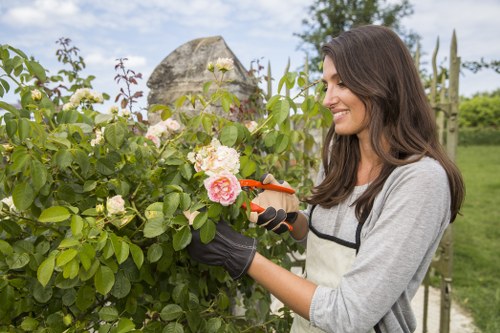
Crown reduction is a selective pruning method that reduces the overall size of a tree’s canopy by shortening branches back to suitable growth points. Unlike topping, which damages tree structure and can create weak regrowth, a well-executed reduction is designed to maintain a stable shape and support the tree’s future health. In Holborn, this is particularly useful where trees are starting to interfere with buildings, balconies, signage, cables, rooflines, or narrow paths.
Many local customers ask for crown reduction because a tree has become too dominant for its setting. In a small rear garden, a tall canopy can block light from lower floors or neighbouring properties. In a commercial setting, overextended branches may affect visibility, client access, or the comfort of people using outdoor seating areas. In shared spaces, it may simply be a matter of keeping branches away from windows, preventing rubbing, and reducing the chance of storm-related breakage.
For property owners in Holborn, the service is often about balancing aesthetics with everyday practicality. A reduction can make a tree more suitable for its surroundings while keeping the landscape green and attractive. It can also help with weight distribution after years of unchecked growth, especially where one side of the crown has stretched toward light or over a structure.
What crown reduction involves
A proper crown reduction is more than just cutting branches back. It begins with an inspection of the tree’s condition, species, size, and location. The work is then planned around suitable pruning points so the reduction supports healthy regrowth. Depending on the tree, the pruning may include shortening selected limbs, thinning congested areas, and removing dead or defective growth that could become a problem later.
The goal is to reduce the canopy by a sensible amount without leaving the tree looking harsh or unbalanced. A good result should still look natural from street level or from a nearby window. Careful finishing matters, because the shape of the crown after pruning affects both the appearance and the tree’s ability to recover. The best results are usually achieved when the work is proportionate and tailored to the tree rather than treated as a one-size-fits-all cut.
In practical terms, customers often want one or more of the following outcomes: more light, better clearance, improved safety, less wind resistance, or a neater appearance. Crown reduction can address these needs while also helping to protect nearby structures, particularly in areas where properties are close together and trees have limited room to grow.
Where this service is useful locally

Holborn includes a wide mix of property types, and that variety is one reason crown reduction is such a common request. Georgian and Victorian terraces may have small front gardens or enclosed rear spaces where trees quickly become overpowering. Apartment buildings and managed estates may have shared planting areas that need regular care to avoid overgrowth. Offices, educational premises, and hospitality venues may need trees managed to maintain a tidy, welcoming frontage.
In locations close to busy roads or pedestrian routes, overhanging branches can also create practical concerns. A crown that has expanded too far may restrict access, make entrances feel enclosed, or interfere with routine maintenance around gutters, windows, and roofs. For commercial properties, a tidy tree can contribute to a cleaner, more professional presentation without losing the character that mature planting brings.
Because Holborn sits in a central part of London, even straightforward jobs can involve careful planning. Parking may be restricted, access routes may be narrow, and work may need to be timed to reduce disruption for neighbours, staff, or visitors. A local team that understands these conditions can plan the day around the realities of the site, which helps work move efficiently and safely.
Benefits of professional crown reduction
There are several reasons customers choose professional tree surgery rather than trying to manage large trees themselves. Trees are living structures, and cutting them incorrectly can create long-term issues. A properly carried out crown reduction brings a number of useful benefits:
- Improved light into gardens, courtyards, and rooms near the tree
- Reduced risk of branches touching roofs, windows, and walls
- Better balance and reduced strain on extended limbs
- A tidier appearance that suits managed landscapes and frontages
- Lower wind resistance in exposed positions
- More usable space around paths, seating, and entrances
- Potentially reduced nuisance from branches overhanging neighbouring boundaries
For many customers, the biggest benefit is that the tree can remain in place while the site becomes more manageable. That is especially valuable where removing a tree would be a last resort. Retaining mature planting can help preserve shade, privacy, and the overall feel of a property, while still solving day-to-day issues caused by excessive growth.
It is also worth noting that reduction may help reduce recurring problems. If a tree has repeatedly caused interference with nearby structures, a sensible pruning programme can sometimes make maintenance easier over the longer term. In some cases, the work is part of ongoing tree care rather than a one-off intervention, particularly for properties with multiple trees or shared outdoor areas.
How we plan crown reduction jobs in Holborn
Every site is different, so a proper assessment is the starting point. We look at the tree species, current condition, location, previous work, and the reasons you want the crown reduced. Some trees tolerate reduction better than others, and the amount removed must be chosen carefully to suit the tree’s natural growth habit. The surrounding environment also affects how the job is planned, especially where access is tight or the tree stands close to sensitive features.
In Holborn, planning often includes practical considerations such as how equipment will be moved to the site, whether ladders or specialist access methods will be needed, and how to protect paving, planted areas, or shared entrances. For larger trees or more awkward positions, sections may need to be lowered safely rather than simply dropped. That helps keep the site orderly and reduces the chance of disturbance to neighbours or passers-by.
Our focus is on making the process efficient but controlled. The right level of preparation can reduce downtime for businesses, keep inconvenience to residents low, and ensure the final result is neat and appropriate. If your tree is close to a boundary, in a courtyard, or beside a public-facing frontage, this careful approach is particularly important.
Typical situations that lead to a reduction request
- A tree is blocking natural daylight into a flat or office
- Branches are reaching too close to a roof, window, or façade
- The canopy has become uneven after previous pruning or storm exposure
- A mature tree is overpowering a small garden
- Management of a shared outdoor space requires a cleaner, safer layout
- Commercial premises need a more polished external appearance
What is included in the service

Customers often want to know exactly what happens during a crown reduction appointment. While each job is tailored to the tree and site, a professional service commonly includes the following:
- Initial assessment of the tree and the surrounding area
- Discussion of the reduction level and the practical outcome you want
- Careful pruning back to suitable growth points
- Removal of dead, damaged, or poorly positioned branches where appropriate
- Attention to the final shape so the crown remains balanced
- Clear-up of arisings from the working area
- Advice on aftercare or future maintenance if needed
Depending on the size and location of the tree, the job may also involve additional measures to protect adjacent surfaces or to manage waste from the work. A thoughtful team should leave the site as neat as possible and keep the process orderly from start to finish. Good communication before the work begins is especially useful when the tree is on a shared or commercially used site.
If you are unsure whether your tree needs a reduction, thinning, or another type of pruning, it is sensible to ask for an assessment before booking. The best treatment depends on the tree’s species, structure, and the problem you are trying to solve. A knowledgeable local service can help you choose the right option rather than pushing an unnecessary cut.
How crown reduction differs from other tree work
Reduction, thinning, and pruning are not the same thing
People sometimes use tree care terms interchangeably, but there are important differences. Crown reduction focuses on decreasing the overall size of the canopy. Crown thinning, by contrast, aims to lighten the canopy by selectively removing small branches while keeping the overall height and spread largely unchanged. General pruning is a broader term that can cover deadwood removal, shaping, formative work, and other maintenance tasks.
Understanding the difference matters because the wrong type of work can create poor results. For example, if a tree is too close to a building, thinning alone may not solve the clearance issue. If the aim is to bring a large tree back into scale with its surroundings, reduction may be more appropriate. Choosing the correct method helps protect both the tree and the property.
In Holborn, where many trees sit in highly constrained locations, the distinction is especially useful. A tree overhanging a narrow passage, an office courtyard, or a basement lightwell may need specific, proportionate work rather than a general tidy-up. A site visit or detailed discussion can help determine the most suitable approach.
Why a careful approach matters
Incorrect cutting can leave the tree exposed, unbalanced, or more prone to dense regrowth. That can create extra maintenance later and may affect the tree’s appearance. A considered reduction is better for long-term structure and for maintaining the benefits that mature trees provide.
Pricing factors to consider
People often want to know what influences the cost of crown reduction in Holborn. Because tree work is site-specific, pricing is usually based on a number of practical factors rather than a fixed figure. These commonly include:
- The size and height of the tree
- How much of the crown needs reducing
- The species and density of the tree
- Access restrictions and available working space
- Parking and loading considerations in central London
- Whether specialist equipment or traffic-sensitive planning is needed
- The amount of material to be removed and cleared away
- Any additional work such as deadwood removal or related pruning
For a compact tree in an open garden, the work may be relatively straightforward. For a tall tree beside a building, over a boundary, or in a shared courtyard, the planning and labour involved may be more complex. That is why a proper quote should be based on the actual site rather than on a general assumption. Requesting a tailored estimate is the best way to understand the likely scope of the job.
It can also be helpful to think in terms of value rather than just immediate cost. A well-managed tree may reduce the need for urgent repairs, awkward clearance issues, or repeated temporary fixes. For many local property owners, the peace of mind and improved usability of the space are important parts of the decision.
Preparing for your appointment
A simple checklist for residents and businesses
Preparing for crown reduction does not need to be complicated, but a little organisation can help the job go smoothly. This is particularly true in Holborn, where access may be shared and outdoor space can be limited. Before the work takes place, consider the following:
- Move vehicles if access or parking space is needed for equipment
- Keep garden furniture, planters, and outdoor items clear of the working area
- Inform neighbours, building managers, or staff if the tree affects shared space
- Make sure gates, side passages, or communal routes are accessible
- Secure pets and keep children away from the work zone
- Flag up any known issues such as fragile paving, underground features, or nearby utilities
- Let the team know if there are time restrictions because of business opening hours or resident access
These small steps can save time on the day and help reduce disruption. They are particularly useful where a tree is close to a narrow entrance, basement steps, or a courtyard used by several occupants. If there are special concerns about access, it is worth mentioning them early so the work can be planned properly.
For commercial customers, preparation may also involve letting building users know that part of the site will be temporarily in use. That can help avoid unnecessary interruptions and make the process feel well managed.
Why choose a local company for crown reduction in Holborn
A local tree care team brings more than just technical ability. In central London, the details of the location make a genuine difference to how a job is handled. A company familiar with Holborn is likely to understand the challenges of tight streets, restricted parking, mixed-use buildings, service access, and the need to keep disruption low in busy surroundings.
That local knowledge is useful for both residential and commercial customers. For homeowners, it can mean a smoother visit, less stress, and better coordination around shared boundaries or neighbour concerns. For businesses, it can mean practical scheduling around operating hours and a professional approach that respects the setting. For estate managers and landlords, it can support predictable maintenance planning across multiple trees or sites.
Local experience also matters when assessing how a tree fits into its environment. Mature planting in Holborn often has a long history, and the right pruning decision depends on how the tree has grown over time. A team with local working experience is better placed to recognise which branches are structurally significant, how the surrounding buildings affect light and airflow, and how to create a finish that looks right in context.
Good reasons customers choose a nearby service
- Better understanding of central London access constraints
- More suitable planning for residential and commercial sites
- Efficient coordination with neighbours, managers, and occupants
- Practical awareness of local property layouts and boundary issues
- Appropriate care for mature trees in compact urban spaces
Areas covered around Holborn
Customers looking for crown reduction in Holborn often also need help in nearby central London locations. Jobs may be carried out for properties close to Bloomsbury, Covent Garden, Clerkenwell, Gray’s Inn, St Giles, and the wider WC1 and WC2 area. Many local tree care requests come from streets and properties that sit just outside the main Holborn area but still face the same access and space challenges.
Services are commonly needed for a range of sites, including private homes, apartment blocks, office courtyards, shared gardens, public-facing frontages, and managed estates. Trees in these settings may require occasional size control, especially where the canopy has started to interfere with surrounding structures or make outdoor areas feel cramped.
If your property is in or around Holborn and you are unsure whether your tree falls within the usual working area, the best approach is to ask. A local team can usually confirm whether the location is suitable and discuss the practical setup needed for the visit.
What to expect from a professional result
After a good crown reduction, the tree should look naturally smaller and better suited to its surroundings. The outline should remain balanced, the branches should be cut back to sensible points, and the tree should still retain its character. You should notice improved light, less encroachment, and a more manageable shape without the harsh appearance that can come from poor pruning.
It is normal for the tree to respond with new growth over time, which is why careful planning matters. The aim is not to remove all future growth, but to create a healthier structure and a more practical size. In many cases, this means the tree can continue contributing shade, privacy, and visual interest while causing fewer problems for the property.
For some customers, the main success measure is that the tree simply fits the site better. For others, it is that the work solves a specific issue such as low light, branch encroachment, or concern about storm damage. Either way, the finished result should feel like a sensible improvement rather than a dramatic alteration.
Signs the tree may need attention soon
- Branches touching the building or nearby roofs
- Noticeable reduction in daylight entering rooms or gardens
- Uneven growth leaning toward one side
- Twisting, crossing, or crowded branch structure
- Overhanging growth affecting neighbours or shared areas
- Storm damage, rubbing, or dead branches visible in the canopy
FAQs about crown reduction in Holborn
How much of a tree can be reduced?
That depends on the species, health, age, and structure of the tree. A responsible reduction should be planned around the tree’s ability to tolerate pruning, rather than aiming for an arbitrary amount. In many cases, the work is moderate and carefully targeted rather than severe.
Will the tree still look natural afterwards?
It should. A properly carried out crown reduction is intended to preserve the tree’s shape as much as possible while making it smaller and more manageable. The final appearance should remain balanced and appropriate for the site.
Is crown reduction suitable for all trees?
No, not every tree responds well to the same approach. Some species handle reduction better than others, and the existing condition of the tree is important. An assessment helps determine whether reduction is the right option or whether another type of pruning would be more suitable.
Do I need permission before the work goes ahead?
It can depend on the tree’s location and any controls affecting the property, such as conservation considerations or other restrictions. If you are unsure, it is worth checking before booking so the work is planned correctly.
How often does a reduced crown need maintenance?
That varies depending on growth rate, species, and site conditions. Some trees may need periodic attention to stay in shape, especially in a dense urban environment where space is limited. A local tree care team can advise on a realistic maintenance interval after assessing the tree.
Can you work around commercial hours or shared access?
In many cases, yes. Central London sites often need flexible scheduling to reduce disruption. It is best to discuss timing when requesting a quote so the work can be organised around your needs.
Book crown reduction in Holborn with a local, practical approach
If your tree has become too large for its setting, crown reduction may be the most effective way to restore balance without losing the benefits of mature planting. For homes, offices, courtyards, and shared spaces in Holborn, the right pruning work can improve light, reduce nuisance, and make the property easier to use day to day.
Choosing a local team means your tree work can be planned with real awareness of Holborn’s access issues, property types, and busy urban conditions. That is especially valuable when the tree is close to a building, sits in a confined space, or affects several people at once. A sensible reduction should protect the tree’s health while also meeting the needs of the site.
Contact us today to discuss your tree, request a free quote, or book your service now. If you are considering crown reduction in Holborn and want a reliable, practical solution, we are ready to help you take the next step.